
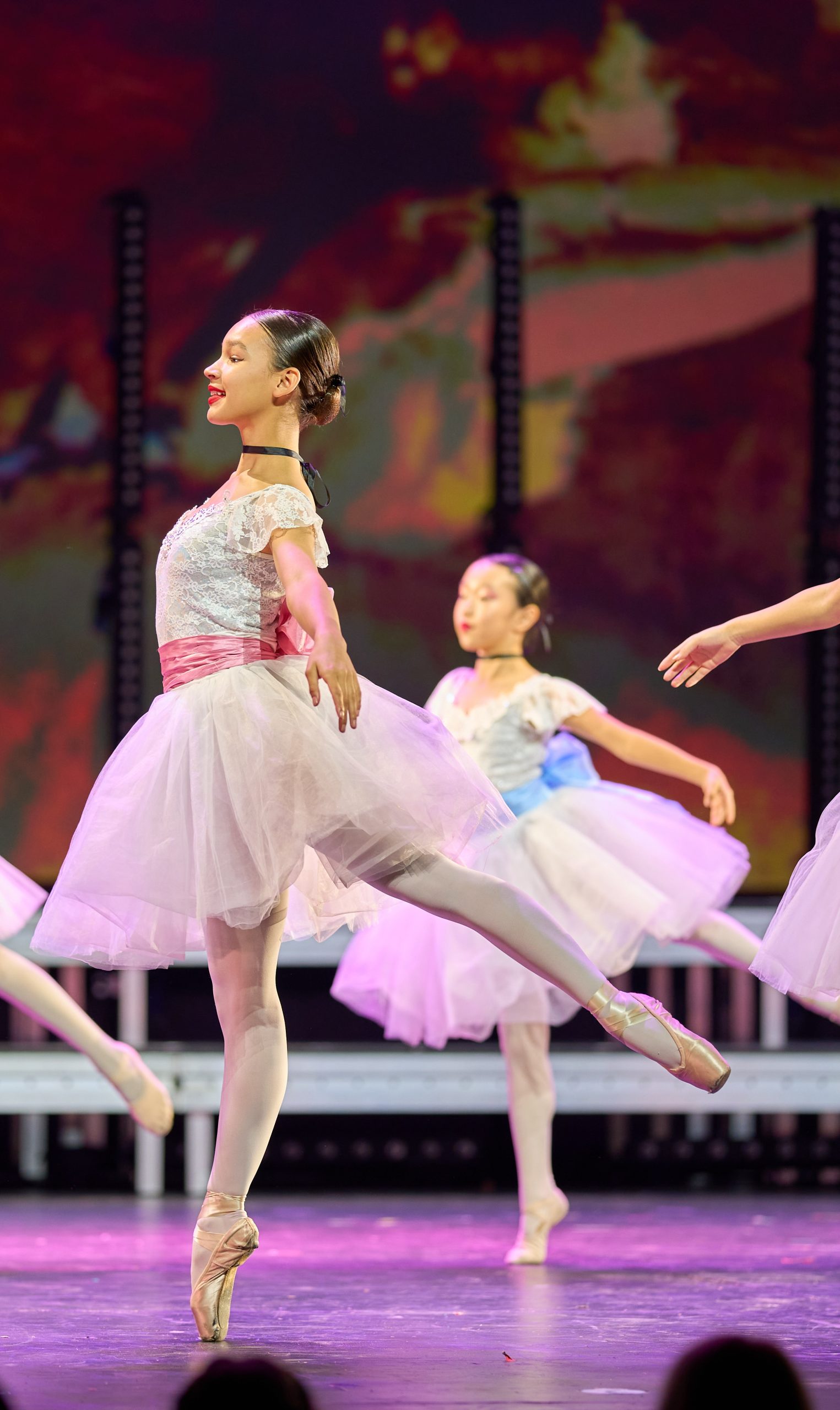
Young dancers gain strength, balance, flexibility, and coordination through regular practice. Ballet movements engage the legs, arms, core, and feet, helping children develop better body control. Simple exercises gradually become more challenging as their skills grow.
Kids also improve posture as they learn to keep their heads, shoulders, and backs properly aligned in every class. Ballet dance classes in Dubai offer an enjoyable setting for this physical growth.
Supports confidence and focus
Ballet gives children clear goals and small achievements to celebrate. Learning a new position, mastering a sequence, or performing in front of others helps dancers trust their abilities. Classes also encourage focus because students listen to instructions, remember combinations, and respond to music. These habits support concentration during schoolwork and other activities. Each practice session gives children a chance to improve through patience and steady effort.
Encourages creativity
Music and movement give young dancers plenty of room for creative expression. Ballet introduces children to rhythm, musical timing, graceful movements, and storytelling through dance. Teachers guide students through structured exercises while allowing their personalities to shine during performances and free movement activities. Older children can explore advanced choreography while younger dancers enjoy simple musical patterns.
Teaches discipline and teamwork
Regular ballet practice teaches children to arrive prepared, listen closely, respect classroom rules, and practice new skills. Group classes also introduce teamwork because dancers share space, follow common routines, and perform together. Children learn that their individual actions affect the entire group during rehearsals and shows. These lessons encourage responsibility and respect while giving young dancers a friendly social environment where they meet peers with similar interests.
Suits different ages and skill levels
Ballet classes welcome children at various stages of development. Younger students usually explore basic positions, rhythm, balance, and simple movements, while older dancers work on technique, choreography, and performance skills. Teachers adjust exercises according to age, experience, and physical development. Beginners can start with foundational lessons, while experienced students can take on increasingly demanding routines. This flexible structure lets children enjoy dance while developing skills at their own pace.
Makes movement enjoyable
Ballet gives kids an active hobby that combines music, exercise, learning, and social interaction. Regular classes keep children moving while they practise skills that challenge both the body and mind. Performances also give dancers memorable opportunities to share their progress with family and friends. With supportive teaching and age appropriate instruction, ballet becomes an enjoyable activity that encourages healthy habits and lasting interest in dance.