
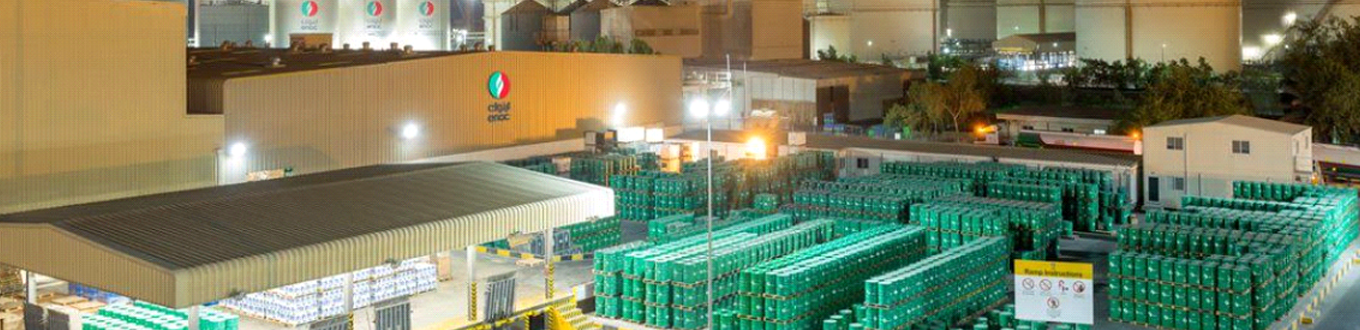
When machinery stops, production targets slip, and maintenance teams face mounting pressure, lubricant supply becomes a serious concern. Unexpected shortages, transport delays, and product quality issues test every supplier’s reliability.
Strong suppliers respond with clear communication, practical solutions, and dependable stock management. Their crisis response helps industrial customers protect equipment, control disruption, and restore normal operations.
Spot problems before disruption spreads
Reliable lubricant oil suppliers in UAE monitor inventory levels, customer demand, transport schedules, and manufacturer updates. Regular checks help teams identify shortages or delivery risks early.
They also stay in close contact with distributors and production partners to track potential delays. Early warnings give customers time to adjust purchasing schedules, review available stock, and protect essential maintenance activities before a supply problem affects production.
Activate alternative supply channels
A sudden shortage can disrupt several industries at once. Established suppliers maintain relationships with multiple manufacturers and authorised distributors to secure alternative stock. They check product specifications before recommending substitutes, since different oils may have incompatible base stocks or additive packages.
Buyers receive suitable options backed by technical information rather than rushed recommendations that could damage equipment.
Communicate clearly with customers
Silence increases uncertainty during a crisis. Dependable suppliers inform customers about stock changes, revised delivery dates, product limitations, and available alternatives. Sales representatives and technical teams coordinate their updates so customers receive consistent information.
Honest communication helps maintenance managers revise schedules, prioritise critical equipment, and make purchasing decisions with realistic expectations.
Protect product quality during emergencies
Urgent orders should never compromise product integrity. Suppliers maintain proper storage conditions, inspect packaging, verify batch details, and preserve product traceability. They also check transport arrangements to protect oils against contamination, moisture, and unsuitable temperatures.
Quality checks help customers receive genuine products that meet stated specifications, even when supply teams work under considerable pressure.
Manage transport and delivery challenges
Road closures, port congestion, and fuel shortages can delay shipments without warning. Suppliers respond by reviewing delivery routes, coordinating with logistics partners, and prioritising orders according to customer urgency. Local warehouse stock can support urgent requirements while larger shipments remain in transit. Regular delivery updates also help factories organise maintenance work around realistic arrival times.
A crisis may force customers to consider unfamiliar products or revised maintenance schedules. Technical representatives help assess compatibility, viscosity grades, equipment specifications, and application limits. They also explain risks associated with mixing different formulations. Clear guidance helps maintenance teams protect machinery and avoid decisions that create additional repair costs during an already difficult period.