
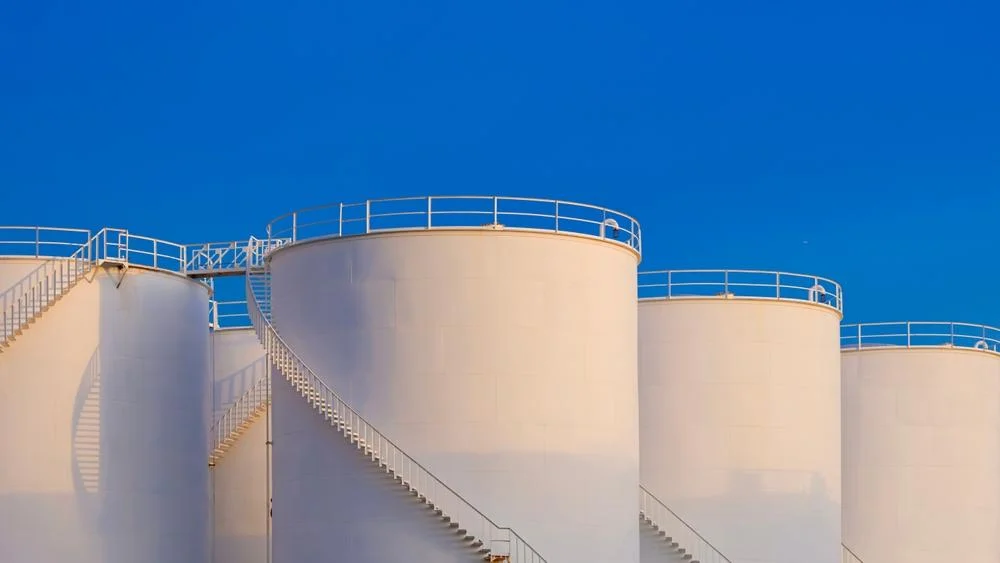
Cold weather brings extra challenges for outdoor water storage, especially when low temperatures affect exposed metal surfaces and stored water. Proper winter preparation protects tank components, supports reliable water quality, and reduces repair concerns during harsh weather.
Simple inspections, insulation, drainage checks, and protective measures help steel water tanks remain dependable throughout colder months.
Inspect the tank before winter
Start with a thorough inspection before temperatures drop. Check the tank shell, roof, seams, fittings, valves, ladders, supports, and connection points for rust, cracks, loose parts, or visible damage. Examine protective coatings for peeling or exposed areas, then address small defects before cold conditions intensify them. Clean dirt and debris from the exterior so technicians can spot developing problems quickly. A sound inspection gives the tank a reliable starting point for winter operation.
Protect exposed pipes and valves
Exposed pipes and valves face freezing conditions, making insulation an important winter measure. Wrap vulnerable sections with suitable weather resistant insulation and secure the material firmly around joints and fittings. Pay special attention to valves, outlets, gauges, and narrow pipe sections because these areas cool rapidly. Insulation helps maintain steadier temperatures and reduces the chance of freezing, cracking, or costly water loss during severe cold.
Check insulation around the tank
Tank insulation provides additional protection when outdoor temperatures fall sharply. Inspect existing insulation for moisture, gaps, compression, or physical damage. Replace deteriorated sections and seal openings that allow cold air to reach exposed surfaces. Use materials suited to outdoor conditions and keep insulation dry throughout the season. Proper coverage supports stable internal temperatures while protecting the tank structure from repeated temperature changes.
Maintain drainage and overflow systems
Clear drainage routes before winter weather arrives. Remove leaves, dirt, sediment, and other debris from drains, overflow outlets, and surrounding channels. Blocked drainage allows water to collect around the tank base, which can affect supports and surrounding ground conditions during freezing weather. Confirm that overflow pipes remain open and direct excess water safely away from important structural areas.
Monitor water temperature and tank condition
Regular monitoring helps identify winter problems at an early stage. Check water temperature, external surfaces, valves, fittings, and visible insulation during cold periods. Look for frost accumulation, unusual moisture, leaks, or changes around connection points. A simple inspection routine gives maintenance teams useful information and supports prompt corrective action before minor concerns become expensive repairs.