
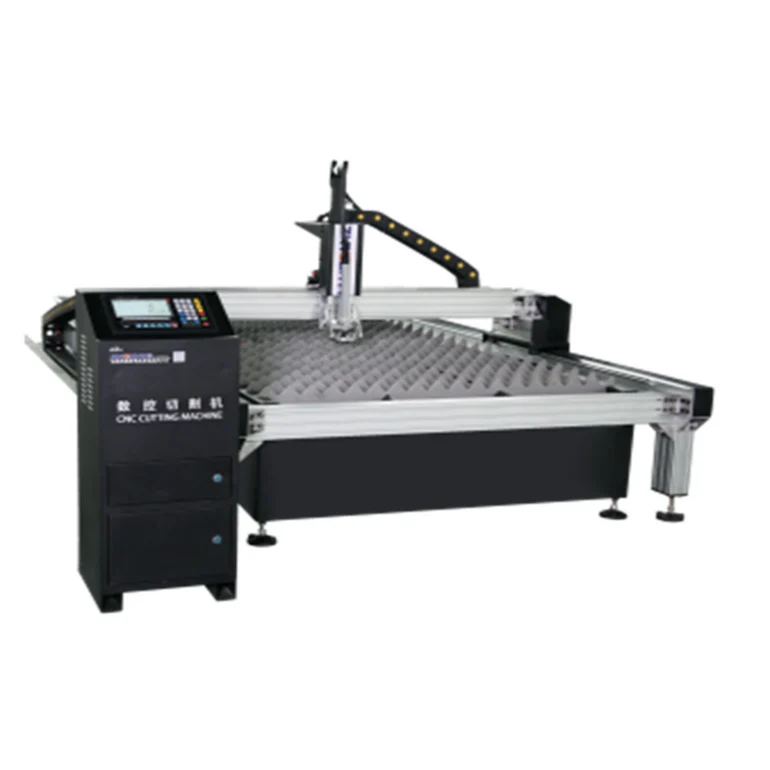
In modern manufacturing, being fast is not enough if every cut needs correction, and precision means little if production takes too long. The real advantage comes from achieving both at the same time. CNC technology brings these priorities together, allowing intricate designs and repeated cuts to be completed with remarkable consistency while keeping workflows efficient.
This article defines how CNC machines in UAE help manufacturers strike the right balance between speed and accuracy.
Precise movement supports faster work
CNC machines follow digital instructions with controlled movement across several axes. The cutting tool follows the programmed path with steady motion, reducing unnecessary adjustments during production. Operators set the required measurements, load the program, and monitor the machining process. This controlled movement helps reduce delays linked to manual measuring and repeated positioning. Once a proven program is ready, the machine repeats the same sequence for each part. Production becomes smoother, especially when a workshop handles large batches with matching specifications.
Accuracy keeps production consistent
Precision remains essential when parts must fit together correctly. A small measurement error may cause gaps, weak joints, or assembly problems. CNC machining keeps tool movement closely aligned with programmed dimensions, helping maintain consistent results.
Digital controls also reduce variation between individual parts. Each piece follows the same instructions, so production teams receive a reliable level of dimensional accuracy. This consistency supports assembly work and reduces the time spent checking and correcting finished components.
Speed reduces production delays
Fast machining allows workshops to complete orders within shorter production cycles. CNC equipment moves quickly while maintaining controlled cutting paths, allowing operators to achieve strong output without sacrificing precision.
Automated tool changes, programmed sequences, and repeatable operations also reduce downtime. Workers spend less time repositioning materials or adjusting measurements by hand. This gives the workshop a steady production rhythm and helps meet demanding schedules.
Fewer mistakes save valuable resources
Accuracy and speed work together to reduce waste. Incorrect cuts may lead to rejected parts, wasted material, extra machining, and production delays. CNC programming reduces the chance of common manual errors by following exact digital instructions. Before production starts, operators also test programs and check material settings. These steps help spot issues early and support smoother machining once the cutting process begins.