
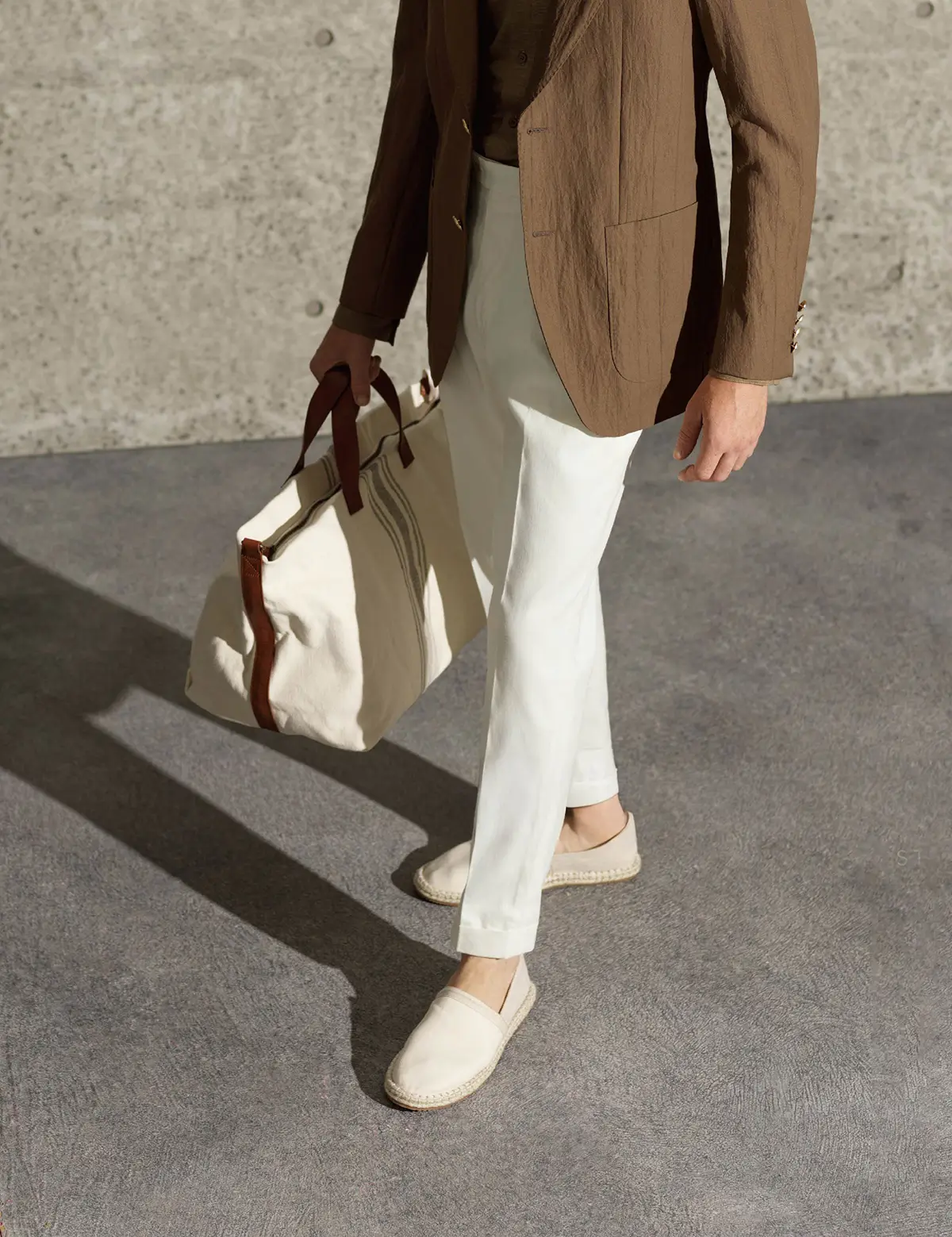
Finding trousers that sit properly at the waist, fall neatly over the legs, and match your proportions can prove difficult with standard retail sizes. Small fit issues affect comfort, posture, and overall style. A skilled specialist studies your measurements and adjusts each detail with precision. This makes a tailor for pants a good option for refined everyday dressing.
Standard sizes miss personal proportions
Retail trousers follow fixed size charts designed for broad customer groups. Your waist may match one size while your thighs, calves, or seat require another. This mismatch leads to loose areas, tight spots, uneven hems, or unwanted folds. A tailor studies these differences and works around your individual proportions instead of forcing your body into a standard pattern.
Waist adjustments improve daily comfort
A waistband that sits too tight restricts movement, while excess room produces constant slipping. A tailor measures your natural waist and adjusts the waistband accordingly. This approach also accounts for how you prefer your trousers to sit, giving you a secure fit without unnecessary pressure. Small waist corrections can make a noticeable difference during long workdays or social occasions.
Leg shape deserves individual attention
Every person has a distinct leg shape. Some trousers fit neatly around the upper leg but become loose below the knee. Others bunch around the calves or ankles. A tailor modifies the leg line to suit your proportions while preserving the original design. This produces a cleaner silhouette and helps trousers sit naturally as you walk or sit.
The hem changes the entire look
Trouser length affects the relationship between your shoes, legs, and overall outfit. A hem that sits too high may look abrupt, while excess fabric gathers around the footwear. A tailor checks the break and adjusts the length according to your preferred style. This sharpens trousers without forcing you to replace an otherwise useful pair.
Fabric and construction guide alterations
A skilled tailor examines fabric weight, stretch, seams, pockets, pleats, and existing construction before making changes. These details influence how much alteration the trousers can accept. Good tailoring protects the garment’s structure while improving its fit. Instead of treating every pair alike, the tailor chooses adjustments that suit the material and original construction.
Custom fit saves repeated frustration
Retail shopping may involve trying several sizes before finding an acceptable pair. Tailoring removes much of that frustration by focusing directly on your measurements. Once a tailor understands your preferred fit, future alterations become easier and more consistent.